

Understanding the Evolution of Modern Submission Grappling
For martial arts practitioners in Tustin, California, navigating the path of Brazilian Jiu-Jitsu begins with choosing how to structure weekly training. Understanding the fundamental gi vs no gi jiu jitsu differences helps practitioners optimize their development on the mats. Both formats share foundational principles while offering distinct physical dynamics.
Students at Total MMA Studios frequently ask which modality best develops functional grappling skills for competition or self-defense. While both styles teach leverage and positional dominance, the presence or absence of the traditional uniform transforms every exchange. Examining these variations reveals how each style sharpens different athletic attributes.
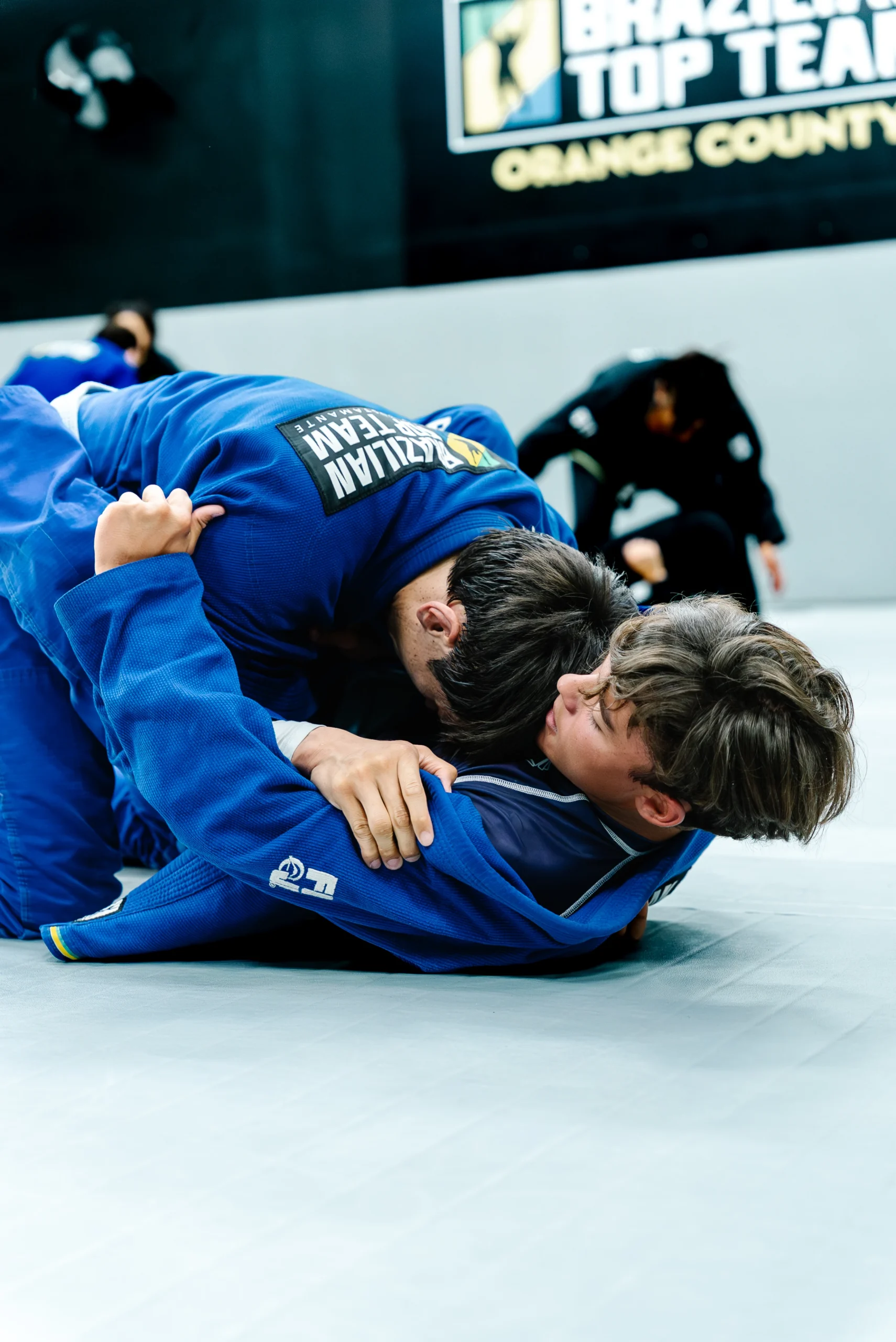
DISCOVER TOTAL MMA STUDIOS
CLICK HEREGrips, Friction, and Mechanical Control Systems
Evaluating gi vs no gi jiu jitsu differences reveals how clothing materials directly influence lever control and defensive tactics. The physical interface between two grapplers dictates how force transfers across frames, wedges, and submission attempts during live sparring.
Fabric Gripping vs Anatomical Connection
In traditional gi training, athletes grip heavy cotton lapels, sleeves, and pants to anchor their weight against an opponent. These mechanical grips allow a smaller athlete to tether an adversary, neutralizing explosive bursts through deliberate tension and fabric control.
Without the kimono, practitioners must secure anatomical handles such as wrists, ankles, triceps, and the back of the neck. Securing control requires active clamping force and tight body wedges, as sweat quickly degrades shallow or passive hand positions during intense rounds.
Impact of Friction on Guard Retention
The heavy fabric of the uniform generates substantial friction when two bodies collide on the mats. This tactile drag slows down positional changes, giving the bottom player ample time to reconstruct defensive frames and retain guard before pressure consolidates.
No-gi grappling features minimal surface friction, allowing the top player to slide past open guards with explosive hip mobility. Bottom players cannot rely on collar or sleeve drags to stall an opponent, demanding reactive hip escapes and active butterfly hooks.
Escapes and Defensive Slippage
Escaping inferior positions in the gi demands surgical precision and meticulous grip-breaking sequences. A practitioner trapped under side control cannot simply twist free, because an opponent firmly anchoring fabric handles eliminates space and maintains heavy downward pressure.
In contrast, no-gi defense utilizes explosive hip movement and sweat to slip through tight submissions and pins. While positional escapes require disciplined framing, athletes can often exploit tiny structural openings to slip an elbow or knee back inside.
Isometric Pressure vs Dynamic Scrambles
Gi Jiu-Jitsu heavily rewards isometric holding strength, where athletes maintain sustained tension against sleeve and collar grips. This dynamic turns matches into strategic chess encounters, where territorial advancement happens inch by inch through methodical pressure.
No-gi grappling favors dynamic scrambling ability, requiring rapid transitions between wrestling shots and ground scrambles. Because controlling an opponent without clothing handles is difficult, grapplers must continuously chain movements together rather than resting in dominant pins.
Pacing, Transitions, and Stand-Up Mechanics
These tactical shifts highlight gi vs no gi jiu jitsu differences in transitional momentum and cardiovascular output during live rounds. The speed of engagement dictates how quickly athletes must process sensory cues and execute counters.
Takedown Dynamics and Wrestling Synergy
Stand-up grappling in the gi relies on judo throws, foot sweeps, and collar drags that exploit fabric handles. Competitors often grip lapels to break an opponent’s posture, neutralizing sprawling hips while threatening sudden sacrifice throws or trip variations.
No-gi takedowns mirror collegiate wrestling, emphasizing penetration steps, level changes, double-leg takedowns, and snap downs. Grapplers must control the head and wrist directly, demanding explosive lower-body strength and persistent forward driving pressure from neutral standing positions.
Kinetic Speed and Reaction Windows
Because fabric grips decelerate movement, gi grappling grants practitioners longer decision-making windows during live rolls. This methodical tempo allows students to systematically dissect defensive shells, anticipate counter-attacks, and set up multi-step submission traps.
No-gi rounds operate at a relentless kinetic pace where hesitation frequently leads to passed guards or sudden submissions. Competitors must process positional hazards instantaneously, relying on instinctive muscle memory and quick physical adjustments to survive rapid scrambles.
Positional Resetting and Mat Agility
When an exchange falters in gi combat, the friction of the uniforms often creates natural stalemate moments on the mats. These pauses allow grapplers to catch their breath, adjust their grips, and calculate their next tactical maneuver without immediate penalty.
Without fabric drag, stalemate positions dissolve quickly as athletes twist, spin, and invert to create sudden transitional scrambles. Maintaining top position requires agile hip tracking and proactive weight distribution rather than static, locked-down isometric holds.
Submission Systems and Rule Set Distinctions
Exploring gi vs no gi jiu jitsu differences in finishing mechanics clarifies why certain submissions flourish under specific apparel constraints. Each discipline emphasizes distinct anatomical targets based on allowable leverage points and uniform utility.
Collar Chokes and Upper Body Entanglements
The gi introduces an expansive arsenal of collar chokes, using the jacket’s sturdy lapels as lethal garrotes against the carotid arteries. Techniques like cross-collar chokes, baseball chokes, and bow-and-arrow strangles leverage the uniform to generate devastating mechanical pressure.
In no-gi competition, upper-body attacks center on head-and-arm strangulations such as the guillotine, rear-naked choke, and darce choke. These submissions require precise forearm placement and tight chest-to-back connection, leaving zero margin for loose positioning or sloppy hand clasps.
Lower Body Attacks and Rotational Leg Locks
Traditional gi tournaments enforce strict safety rules regarding lower-body attacks, often prohibiting heel hooks and rotational leg entanglements. These restrictions protect athletes’ knee ligaments from catastrophic twists when heavy cotton pants prevent feet from slipping clear.
No-gi grappling has emerged as the premier proving ground for sophisticated modern leg lock systems and saddle positions. Athletes study heel hooks, straight ankle locks, and knee bars aggressively, mastering intricate inside and outside leg entanglements.
Technical Adaptability Across Disciplines
Training in the gi cultivates exceptional defensive discipline and defensive patience because escaping bad spots requires pure technical precision. Habits formed under high-friction conditions translate into refined defensive awareness, preventing careless mistakes when transitioning between formats.
Conversely, no-gi grappling sharpens athletic conditioning, hand-fighting instincts, and immediate scrambling reactions that elevate mixed martial arts performance. Athletes who bridge both disciplines develop comprehensive spatial awareness, adaptable grip strategies, and robust tactical flexibility.
Technical Guidance for Developing a Complete Grappling Base
New martial artists should avoid viewing gi and no-gi as opposing philosophies, but rather as complementary halves of the same art. Developing foundational guard retention in the gi instills strict mechanical habits, while regular no-gi rounds build superior conditioning and reaction speed.
At Total MMA Studios, coaches provide balanced mat time so students in Orange County can bridge the gap between traditional technique and fluid modern grappling. Blending both styles protects against technical blind spots while accelerating overall proficiency on the mats.
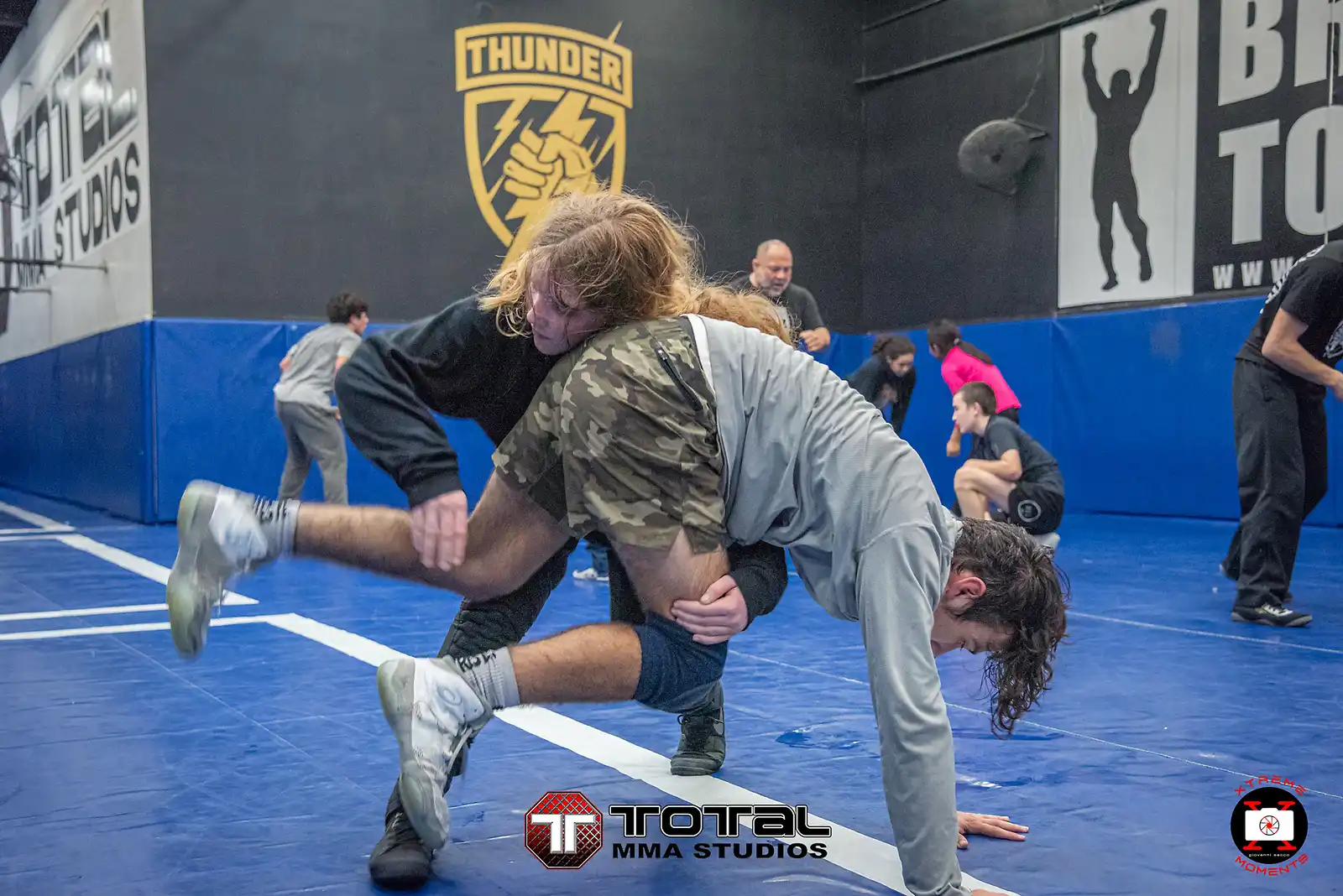
Core Gi vs No Gi Jiu Jitsu Differences in Combat Dynamics
Summarizing these technical distinctions reveals that the gi emphasizes deliberate leverage, structural control, and methodical pressure. Grapplers learn to manipulate heavy material to immobilize opponents, rewarding patience, meticulous planning, and millimeter-by-millimeter positional advancements.
Meanwhile, no-gi emphasizes kinetic flow, wrestling fundamentals, explosive transitions, and ruthless submission hunting. Athletes must master underhooks, head control, and rapid re-attacks, creating an electrifying training environment where physical adaptability reigns supreme.
DISCOVER TOTAL MMA STUDIOS
CLICK HEREChoosing the Right Training Pathway for Your Goals
Recognizing these gi vs no gi jiu jitsu differences allows athletes to build a versatile, injury-resistant grappling foundation that endures. Dedicating time to both formats expands your tactical problem-solving abilities and keeps training engaging across every phase of your journey.
Whether your goal is competition or practical self-defense in Tustin, California, committing to structured instruction delivers lifelong technical benefits. Embrace the unique demands of both styles to unlock your ultimate potential as a complete, well-rounded grappler.


